 Skip to content
 Small Strong Coffee with Milk – Elevate your coffee game. Use our generator to craft robust, creamy coffee that invigorates your mornings!
☕ Small Strong Coffee with Milk Generator
Craft your perfect cup of coffee
Recipe & Instructions
🥄 Ingredients
🔧 Equipment Needed
📝 Preparation Steps
Table of Contents
Discover the art of making small strong coffee with our comprehensive guide. Explore different brewing methods like espresso and moka pot understand the best types of coffee beans, and learn how to perfectly balance flavors with various milk options. Whether you’re a novice or a seasoned coffee enthusiast, our article covers everything you need to elevate your coffee experience. Find tips on achieving a robust flavor without bitterness and avoid common mistakes in your coffee-making journey. Enjoy rich and concentrated flavors in every sip with our step-by-step instructions and printable recipe.
Understanding Small and Strong Coffee
The term “small and strong coffee” has garnered attention among coffee enthusiasts and novices alike. At its core, this style of coffee focuses on a concentrated flavor profile often achieved through specific brewing techniques that emphasize the richness of the beans used. Small strong coffee typically refers to servings that are less than your standard cup, with sizes often ranging between one and four ounces, effectively intensifying the coffee experience.
A key characteristic of small strong coffee is its heightened concentration of flavor. The relatively small volume means that the flavors do not dilute, allowing for a more robust tasting experience this heightened intensity is further supported by the selection of high-quality coffee beans. Specialty coffee beans, often sourced from single origins, bring unique flavor notes that contribute to the overall profile of the drink. Freshly roasted and finely ground beans play a crucial role in achieving the desired strength, leading to a more pronounced and vibrant flavor.
The strength of a coffee beverage is also influenced by the brewing method employed. Techniques such as espresso, which produces a concentrated shot of coffee, exemplify the essence of small strong coffee. These methods extract essential oils and soluble compounds from the coffee grounds, enhancing the drink’s body, aroma, and depth., Furthermore, the balance between the coffee-to-water ratio is vital; a smaller amount of water in relation to coffee grounds results in a denser brew, aligning well with the concept of strength.
In integrating milk into small strong coffee, one must consider the texture and flavor balance. Using high-quality milk can enhance the creaminess without overpowering the coffee’s inherent flavors.. Ultimately, understanding these characteristics can elevate your appreciation for small strong coffee, making each sip a remarkable experience.
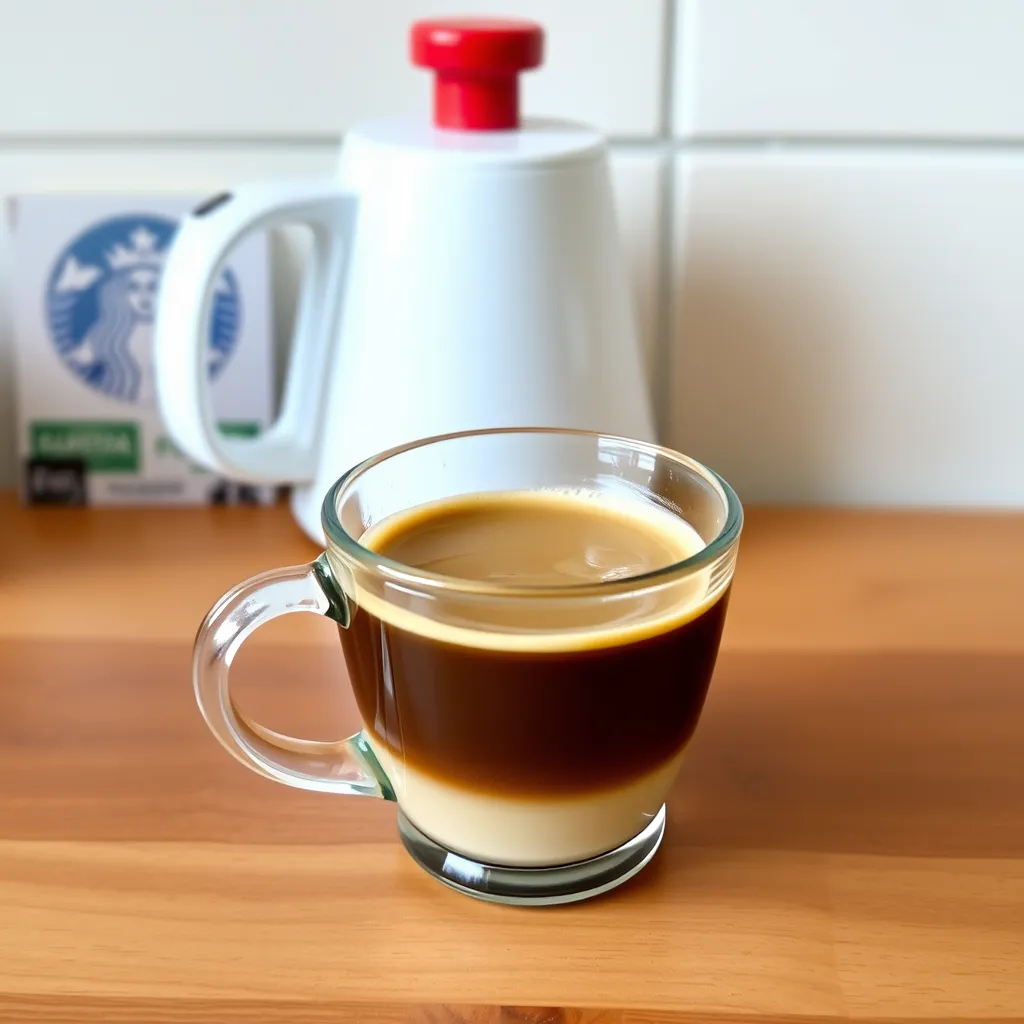
Types of Small Strong Coffees: Ristretto, Espresso, Cortado, Macchiato, and Flat White
When considering small strong coffees, five primary variations stand out: ristretto, espresso, cortado macchiato, and flat white. Each type offers its own preparation style, key ingredients, and distinct flavor profiles that cater to diverse palates.
Ristretto is often regarded as a more concentrated shot of espresso. Achieved by using the same amount of coffee grounds but less water, this brewing method results in a smaller, richer beverage With its syrupy consistency and pronounced sweetness, ristretto presents a bold flavor without the bitterness associated with longer extraction times. It is an ideal choice for those who seek a powerful coffee experience.
Espresso, on the other hand, is the classic base for many coffee drinks and served as a standard shot. Prepared by forcing hot water through finely ground coffee, espresso balances strength and taste. Its robust flavor smooth texture, and creamy crema on top contribute to its appeal, making it a foundational aspect of various coffee culinary expressions.
Cortado is a harmonious blend of espresso and steamed milk, crafted to balance the strong coffee flavor with a silky texture. Typically consisting of equal parts espresso and steamed milk this drink is known for its smooth finish, allowing the coffee’s richness to shine through, enhancing the overall experience without overwhelming the palate.
Macchiato features espresso “stained” with a small amount of milk foam. This drink maintains a strong coffee flavor while introducing a slight creaminess making it an excellent option for those who enjoy the bold notes of espresso but desire a touch of softness.
Lastly, flat white combines espresso with microfoam finely textured steamed milk that’s velvety and glossy. Originating from Australia and New Zealand, this beverage offers a creamy mouthfeel while allowing the flavor of the espresso to take center stage. Each small strong coffee variety delivers a unique experience of strength and flavor, allowing individuals to find their perfect fit.

Choosing the Best Coffee Beans and Roast Level
When it comes to making a small strong coffee, the choice of coffee beans plays a pivotal role in determining the overall flavor profile and strength. The two most popular types of coffee beans are Arabica and Robusta. Arabica beans are known for their smooth, well-rounded flavor often containing notes of fruit and sugar. They typically showcase less bitterness and higher acidity, making them a favorite among many coffee connoisseurs. In contrast, Robusta beans tend to have a stronger, more bitter taste and are higher in caffeine content. This makes them ideal for those who prefer a bolder more intense cup of coffee. For a small strong coffee, many enthusiasts blend both types of beans to achieve a balance of strength and complexity.
The roast level of the beans is equally important in creating that desired intensity. Coffee beans can be roasted to different levels: light, medium, and dark. Light roasts preserve the original flavors of the beans with a higher acidity and a more delicate taste, which may not provide the robustness desired in a strong coffee. Medium roasts offer a balance of flavor and acidity, but dark roasts are where one typically finds the depth and strength necessary for a small strong coffee. Dark roasted beans tend to have a smoky, robust flavor that brings out the coffee’s bold characteristics, an essential element for those who enjoy their coffee with milk or cream.
To source high-quality beans, consider purchasing from reputable local roasters or specialty coffee shops that provide detailed information about their offerings. Look for beans that are freshly roasted, ideally within weeks of purchase. Additionally, pay attention to the origin of the beans single origin coffees from regions such as Ethiopia, Colombia, or Brazil can introduce unique flavor notes. Whichever beans you choose, ensure they align with your personal preferences for a rewarding small strong coffee experience.
Best Milk Types for Flavor Enhancement
The choice of milk plays a significant role in the overall flavor and mouthfeel of a small strong coffee. Three main categories can be explored: whole milk, skim milk, and plant-based alternatives Each type of milk offers distinct characteristics that can enhance or alter the coffee experience in various ways.
Whole milk is often preferred for its rich and creamy texture. The higher fat content provides a velvety mouthfeel that balances the intensity of strong coffee. When combined with a robust brew whole milk not only softens the bitterness but also introduces a naturally sweet flavor profile. This makes it a suitable companion for espresso-based drinks, such as lattes and cappuccinos, where a creamy finish is desired. Additionally, the fat in whole milk helps to emulsify with the coffee, resulting in a harmonious blend.
On the other hand, skim milk, with its lower fat content, offers a lighter alternative. While it may lack the creaminess of whole milk, skim milk can still complement the bold flavors of small strong coffee, Baristas often recommend it for those who prefer a less indulgent version of their coffee drinks. However, it is essential to note that skim milk may not enhance the texture as significantly as whole milk, which could lead to a thin mouthfeel. Therefore, pairing it with flavors like vanilla or caramel can enhance the overall experience and mask any potential blandness.
Plant-based options, including almond, oat, and soy milk, are becoming increasingly popular. These alternatives not only cater to lactose-intolerant individuals but also add unique flavor notes to the coffee.. For instance, oat milk is known for its creaminess and ability to froth well, making it an excellent choice for lattes. Almond milk, on the other hand, brings a nutty undertone, which can pair beautifully with the robust flavors of espresso. However, some plant-based milks may create a slightly different mouthfeel; thus, experimenting with different varieties can help achieve the perfect balance of strength and creaminess in small strong coffee.

Step-by-Step Guide: Making Small Strong Coffee with an Espresso Machine
To create the perfect small strong coffee with an espresso machine, it is essential to follow a methodical approach this guide will equip you with step-by-step instructions designed for beginners, enabling you to achieve rich and flavorful results.
Begin by selecting high-quality coffee beans. Opt for a dark roast that aligns with your taste preference as these varieties tend to deliver a bold flavor suitable for espresso-based drinks. Use a burr grinder for consistency; the ideal grind size for espresso should be fine, resembling that of table salt. Measure out approximately 18-20 grams of coffee for a double shot, or 9-10 grams for a single shot, depending on your serving size.
Next, prepare your espresso machine. Ensure that it is fully heated, as this is crucial for optimal extraction. While waiting, tamp the ground coffee evenly into the portafilter with firm pressure ensuring a level surface. This prevents uneven extraction, resulting in a smoother, stronger coffee.
Attach the portafilter to the machine and initiate the extraction process. A standard extraction time should range from 25 to 30 seconds. Aim for a rich, thick crem a sign of perfect espresso strength and quality. You will want to observe the color; a deep brown hue is a positive indicator.
After preparing your espresso, the next step is milk frothing. Use cold milk, as it froths better. Fill a frothing pitcher about one-third full, then steam the milk using the wand on your espresso machine. To achieve microfoam position the steam wand just below the surface of the milk, angling it to create a whirlpool effect. This process usually takes about 30-45 seconds.
Once the milk is frothed, pour it over the espresso. For a traditional approach, try creating latte art by pouring the milk slowly in a steady motion The elegance of your pour can enhance the visual appeal of your small strong coffee.
With these steps even beginners can successfully craft small strong coffee with an espresso machine, ensuring hours of enjoyment and satisfaction from your creation.
Alternative Method: Making Small Strong Coffee with a Moka Pot
For those who may not have access to an espresso machine, a moka pot serves as an excellent alternative for brewing small, strong coffee. This stovetop brewer creates a concentrated coffee capturing the robust flavors reminiscent of espresso. Below are the steps to make small strong coffee using a moka pot, along with key tips to ensure a flavorful cup.
Begin by selecting a medium dark roast coffee, as these beans provide a rich, bold flavor profile. Measure out the desired amount of coffee grounds, typically around 18-20 grams for a small cup. Grind the beans to a medium-fine consistency, which is crucial for extracting maximum flavor. You should also fill the bottom chamber of the moka pot with water up to the safety valve, ensuring that it does not overflow when heated.
Next, gently tamp the coffee grounds into the filter basket. Avoid packing it too tightly, as this could restrict water flow and result in an uneven brew.. Place the filter basket into the bottom chamber and screw the top and bottom sections of the moka pot together securely.
Heat your moka pot over medium heat. It is essential to monitor the brewing process; you will hear a hissing sound as the water begins to boil and coffee starts to bubble up into the upper chamber. Once this sound changes to a gurgle, it signifies that the brewing is nearly complete, Remove the pot from the heat immediately to prevent burnt flavors from developing.
After allowing the coffee to settle for a moment, pour it into a pre-warmed cup. For an authentic experience, consider adding a dash of milk or a milk alternative to enhance the flavor and texture This method will yield a rich, strong concentrate that can be enjoyed straight or as a base for various coffee beverages.
Tips for Achieving a Stronger Flavor Without Bitterness
When it comes to making a small strong coffee, achieving a robust flavor while avoiding unwanted bitterness is essential. Several key factors contribute to enhancing the flavor profile of your brew allowing beginners to create a coffee that is both enjoyable and bold.
First, consider the coffee grind size. A finer grind increases the surface area of the coffee, facilitating better extraction of oils and flavors during the brewing process. However, it is crucial not to grind too fine as this can lead to over-extraction, resulting in a bitter taste. Aim for a medium to fine grind that balances flavor extraction while minimizing bitterness.
Next, the brewing temperature plays a significant role in flavor extraction. Ideally, the water temperature should be between 195°F and 205°F (90°C to 96°C). Water that is too hot can cause over-extraction bringing out undesirable bitter notes. Conversely, water that is not hot enough may result in under-extraction, leading to a weak and sour flavor. Use a thermometer or let the water sit for about 30 seconds after boiling to reach the optimal brewing temperature.
Additionally, pay attention to the extraction time. The length of time the coffee grounds are in contact with water can greatly influence flavor. For small strong coffee a brewing time of approximately 25 to 30 seconds is often ideal. Experiment with slightly adjusting this time, as different coffee varieties and grind sizes may require minor tweaks to achieve the best flavor balance.
Finally, consider experimenting with coffee varieties that are naturally low in acidity. Some beans, such as those from Brazil or Sumatra offer a rich, earthy flavor that can create a robust experience without introducing excessive bitterness. By focusing on grind size, brewing temperature, and extraction time, you can elevate the flavor profile of your small strong coffee while ensuring a pleasurable drinking experience.

Common Mistakes to Avoid When Making Small Strong Coffee
Making small strong coffee can be a rewarding experience, but beginners often encounter several common pitfalls that can compromise the quality of their brew. One frequent mistake is improper coffee bean grinding. the grind size is crucial; for small strong coffee, a fine grind is typically recommended, as it allows for optimum extraction. However, if the coffee is ground too finely, it can lead to over-extraction, resulting in a bitter taste. Conversely, a coarsely ground coffee may lead to under-extraction, yielding a weak and underwhelming flavor. Therefore, investing in a quality burr grinder will enable you to achieve a consistent grind, which is essential for a balanced cup.
Another common error is incorrect coffee-to-water ratio. Small strong coffee requires a concentrated brew, so precision in measuring both the coffee and the water is vital. Beginners often either overestimate the amount of coffee needed or do not use enough, impacting the final flavor, A general guideline is to use approximately 1:2 ratio of coffee to water for a small strong coffee, but adjustments based on personal preference can also be made. Utilizing a kitchen scale can greatly help in achieving the desired strength, ensuring an optimal brewing experience.
Brewing time is equally significant to achieve the perfect cup. Many amateurs might rush through the process yielding a brew that is either over or under-extracted. Ideally, aim for a brewing time of about 25 to 30 seconds for espresso-based coffee drinks, as it allows enough time for the flavors to develop without creating unpleasant bitterness. Remember, patience is key when crafting small strong coffee.
To elevate your coffee-making skills and avoid these common mistakes, focus on refining your technique Understanding the importance of grind size, measurement, and brewing time will significantly contribute to your ability to produce a high-quality small strong coffee. With practice, you will develop the confidence needed to brew the perfect cup consistently.
FAQs About Making Small Strong Coffee
When embarking on the journey to crafting the perfect small strong coffee, beginners often encounter a multitude of question, Addressing these common queries can greatly enhance the overall coffee-making experience and lead to better results.
One prevalent question revolves around the necessary equipment. For making small strong coffee, an espresso machine is often recommended, as it produces coffee with the desired intensity and flavor However, alternatives such as Moka pots or AeroPress devices can also effectively yield a concentrated brew. It is crucial to ensure that whatever equipment you choose is capable of reaching the optimal pressure that enhances the coffee extraction process.
Another common inquiry pertains to ingredient ratios. The interaction between coffee grounds and water is pivotal for a rich flavor profile. A good starting point is to use a ratio of 1:2 for coffee to water; for instance 18 grams of coffee to 36 grams of water. As you develop a taste for small strong coffee, feel free to adjust this ratio to cater to your preferences. Experimenting with varying doses can help you discover the balance you enjoy most.
Many beginners also seek troubleshooting tips when their coffee does not meet expectations. If the coffee is too bitter, consider reducing the brew time or adjusting the grind size to a coarser setting. Conversely if it tastes weak, try increasing the amount of coffee used or grind the beans finer to improve extraction. Keeping meticulous notes during your brewing process will assist you in identifying what works best for you.
Overall, successful small strong coffee preparation requires a blend of the right equipment thoughtful ratios, and attentiveness to the brewing process. This knowledge serves as a foundation for you to refine your skills and develop your coffee-making expertise.
Printable Recipe for Small Strong Coffee
Creating the perfect small strong coffee at home can be both enjoyable and rewarding. Below is a simple yet comprehensive recipe that outlines the essential ingredients and steps needed to craft this delightful beverage. Keep this guide handy as you embark on your journey to make great coffee.
Ingredients:
- 2 tablespoons finely ground coffee
- 1 cup water
- Milk (optional, to taste)
- Sweetener (optional, to taste)
Equipment:
- Coffee maker or French press
- Measuring spoons
- Cup or mug
- Milk frother (optional)
Instructions:
- Begin by measuring out two tablespoons of finely ground coffee. A higher coffee-to-water ratio is key for achieving a small strong coffee.
- Boil one cup of fresh water, For optimal flavor, use filtered water if possible.
- Once the water has reached a rolling boil, pour it over the ground coffee in your coffee maker or French press. Allow it to steep for approximately 4 to 5 minutes.
- If using a French press, gently press down the plunger after steeping. For coffee makers, follow the manufacturer’s instructions to brew.
- Pour the brewed coffee into your preferred cup or mug At this stage, you can add milk and sweetener to taste. If you enjoy a creamier texture, consider using a milk frother to achieve a bubbly consistency.
Following this straightforward recipe will enable you to enjoy a delightful cup of small strong coffee with milk. The combination of rich coffee flavor and smooth milk can create an irresistible drink to kick-start your day. Happy brewing!
