Use our tool: the Pour Over Coffee Step-by-Step Guide awaits! Explore brewing methods, stain solutions, grinder maintenance, and vibrant local coffee scenes.
☕ Pour Over Coffee Guide
Master the art of brewing perfect pour over coffee at home
🧮 Coffee-to-Water Ratio Calculator
Your Perfect Brew
Coffee
Water
Brew Time
Cups
⏱️ Brew Timer
🛠️ Essential Equipment
Pour Over Dripper
V60, Chemex, Kalita Wave, or similar cone-shaped dripper
Paper Filters
Match your dripper type (cone or flat-bottom filters)
Digital Scale
For precise measurements (±0.1g accuracy recommended)
Kettle
Gooseneck kettle preferred for controlled pouring
Fresh Coffee Beans
Medium roast, freshly ground (medium-fine grind)
Timer
To track bloom time and total brew time
📋 Step-by-Step Brewing Process
💡 Pro Tip
The ideal water temperature is between 195°F – 205°F (90°C – 96°C). If you don’t have a thermometer, boil water and let it rest for 30-45 seconds.
🎯 Troubleshooting Common Issues
Solution: Use a coarser grind, lower water temperature (195°F), or pour faster to reduce brew time.
Solution: Use a finer grind, hotter water (200-205°F), or pour slower to increase brew time.
Solution: Use a slightly coarser grind and pour more gently in circular motions.
Solution: Use a finer grind and ensure the coffee bed is level before brewing.
💎 Pro Tips for Perfect Coffee
💡 Freshness Matters
Use coffee beans roasted within the past 2-4 weeks. Grind immediately before brewing for best flavor. Store beans in an airtight container away from light and heat.
💡 Water Quality
Use filtered water if possible. Tap water with too many minerals or chlorine can negatively affect taste. The water makes up 98% of your coffee!
💡 Consistent Pouring
Practice your pouring technique. A gooseneck kettle helps with control. Aim for a steady, consistent flow rate throughout the brew.
💡 Temperature Control
For light roasts, use higher temperatures (200-205°F). For dark roasts, use lower temperatures (195-200°F) to avoid bitterness.
⚠️ Important
Keep notes of your brew parameters (coffee amount, water amount, grind size, time) so you can replicate great results and adjust when needed. Every coffee and every brewing device is slightly different!
Table of Contents
Discover the rich world of coffee with our comprehensive guide for enthusiasts! From understanding different brewing techniques like pour-over and French press to effective methods for removing stubborn coffee stains we’ve got you covered. Learn how to maintain your coffee grinder for optimal performance and explore the unique characteristics of beverages like flat whites. Dive into the vibrant local coffee culture and uncover tips on finding hidden gems in your area. Whether you’re a home barista or a casual drinker, enhance your coffee experience and connect with a community that shares your passion for this beloved beverage. Join us in celebrating the art and science of coffee!
Introduction to Coffee Enthusiasts
Coffee, often regarded as one of the world’s most popular beverages, boasts a rich history and a diverse culture that captivates enthusiasts globally.. As a daily ritual for many, coffee caters not only to our craving for warmth and energy but also serves as a cornerstone for social interaction. From small cafes tucked away in city corners to larger, internationally recognized chains, the coffee culture is prevalent in countless forms, allowing individuals to connect over their shared appreciation for this aromatic concoction.
The joy of brewing coffee at home has grown exponentially, driven by advancements in brewing methods and an increased awareness of coffee origins. Home baristas are now experimenting with different brewing techniques such as pou over, French press, Aeropress, and espresso, each method offering distinct flavors and experiences. This hands-on approach allows coffee lovers to tailor their brews to perfection, fostering a deeper understanding of the nuances present in each bean. Notably, the availability of specialty coffee has enabled aficionados to explore diverse regions and varieties, discovering unique profiles that highlight the artistry of coffee cultivation.
Moreover, the journey to explore local coffee shops can be rewarding and exciting. Each establishment has its personality and vibe, presenting not only a selection of brews but also a glimpse into the local culture. Engaging with baristas and fellow coffee lovers can enhance the coffee experience, allowing enthusiasts to share knowledge and refine their palates. Additionally, many cafes host tastings, workshops, and community events creating opportunities for individuals to delve deeper into the world of coffee. As the coffee journey unfolds, enthusiasts find themselves immersed in a community that celebrates not only the beverage itself but also the connections it fosters among people.

How to Brew Pour Over Coffee: Step-by-Step Guide
Brewed coffee is an art form that requires attention to detail, especially when it comes to the pour-over method. This technique, favored for its ability to highlight the nuances of different coffee beans, requires specific tools and precise measurements. To successfully brew pour-over coffee, you will need a pour-over dripper a filter, freshly ground coffee, a kettle, and a scale.
When preparing your pour-over, begin by establishing the coffee-to-water ratio. A common guideline is to use a ratio of 1:15, meaning for every gram of coffee, you should use 15 grams of water. For example, if you are using 20 grams of coffee you should have 300 grams of water. Measuring your coffee accurately will help to achieve the desired strength and flavor.
The grind size is equally important in this process. A medium-fine grind is recommended, similar to granulated sugar. This ensures optimal extraction during the brewing process preventing an over-extraction that can lead to bitterness.
Water temperature plays a crucial role in brewing pour-over coffee, ideally between 195°F and 205°F (90°C and 96°C). Water that is too hot can scorch the coffee, while too cool can lead to under-extraction. Once the water has heated, it’s beneficial to pour a small amount over the coffee grounds first, triggering a bloom that releases carbon dioxide and enhances flavor extraction.
As you pour, use a slow, circular motion to saturate all the coffee grounds evenly. This method helps in achieving an even extraction and full-bodied flavor., After allowing the water to drain, your pour-over coffee will be ready to enjoy, showcasing the intricacies that each blend has to offer. Mastering this technique can significantly enhance your coffee experience.
Effective Methods for Removing Coffee Stains from Carpet
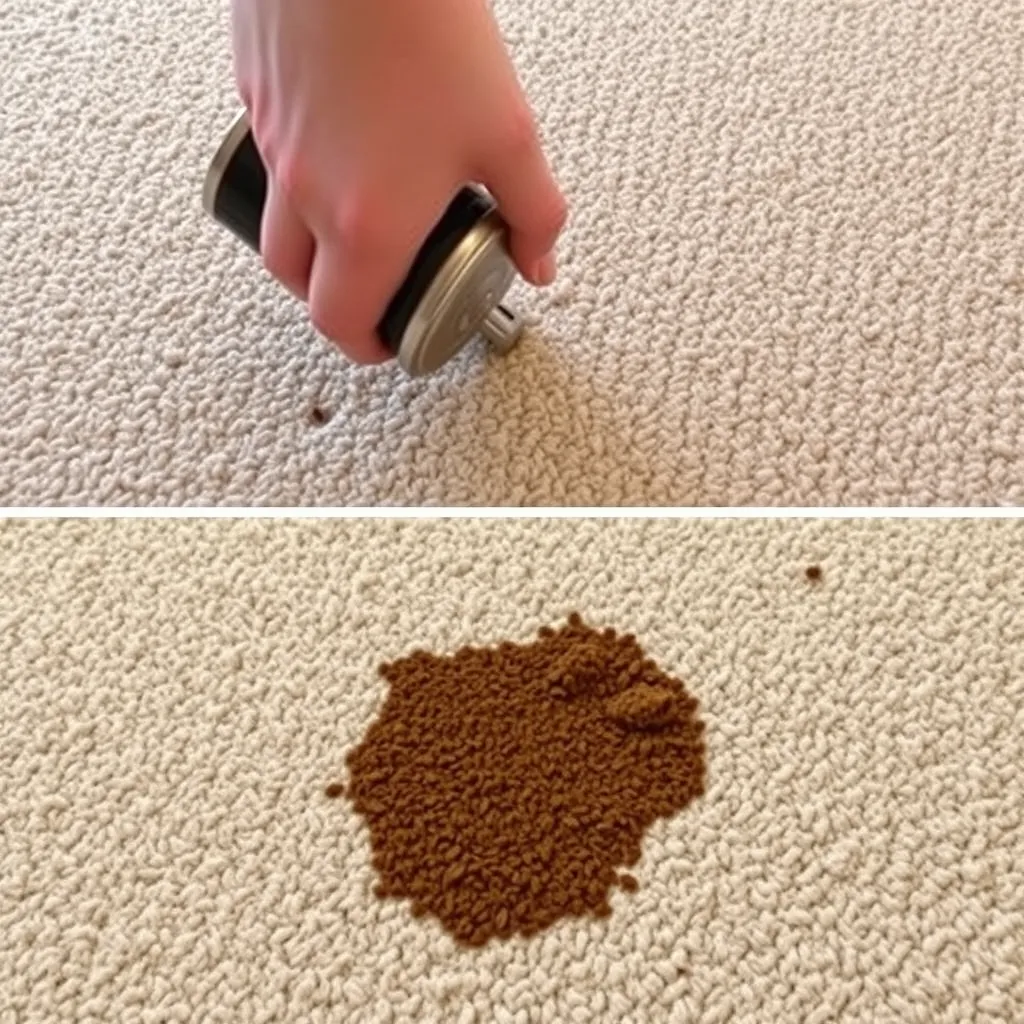
Coffee stains can be particularly challenging to remove from carpets, especially if they are not treated promptly.
However, there are several effective methods that you can employ using common household items or specialized cleaning products. Properly addressing coffee stains ensures that your carpet maintains its appearance and avoids long-term discoloration.
One of the most accessible solutions is using white vinegar, which is known for its stain-fighting properties. To use vinegar, start by blotting the affected area with a clean cloth to absorb as much coffee as possible. Then mix one part white vinegar with two parts water in a spray bottle, and lightly spray the stained area. Allow the solution to sit for approximately five minutes, then blot again with a clean cloth until the stain begins to lift. It may be necessary to repeat this process several times for tough stains.
Another household item that can prove useful is baking soda.. Create a paste by combining baking soda with a small amount of water and apply it directly to the stain. Let the paste sit for about 10 to 15 minutes before scrubbing gently with a brush or cloth. Baking soda not only helps to lift the stain but also neutralizes any lingering odors associated with coffee.
If the stain persists after trying these household remedies it may be beneficial to consider specialized cleaning products designed for carpet stains. Look for enzymatic cleaners that specifically target organic stains such as coffee. Follow the manufacturer’s instructions for optimal effectiveness, and always perform a patch test on a less visible area of the carpet before applying any cleaning solution.
In summary, with timely action and the right techniques, removing coffee stains from carpets is entirely achievable. Utilizing vinegar baking soda, or effective cleaning products can restore your carpet’s appearance and keep it looking fresh and clean.
Cleaning Your Coffee Grinder: Essential Techniques
Proper maintenance of your coffee grinder is crucial for preserving the rich flavors and aromas of your freshly ground coffee. Regular cleaning of your coffee grinder not only ensures the optimal performance of the machine but also contributes to a consistently great tasting cup Coffee oils and residual grounds can build up over time, potentially leading to rancid flavors and diminished extraction efficiency. Therefore, establishing a routine cleaning schedule can significantly improve your coffee experience.
For blade grinders, the cleaning process is straightforward. Start by unplugging the machine to ensure safety. Fill the grinder’s chamber with a handful of uncooked white rice, which acts as an absorbent agent. Grind the rice for about 30 seconds allowing it to absorb oils and residue. Afterward, discard the rice and wipe the interior of the grinder with a soft, dry cloth. It may be beneficial to repeat this process with fresh rice a second time to achieve optimal cleanliness.
When dealing with burr grinders, the cleaning process is slightly more intricate due to the complex components. Begin by unplugging the grinder and disassembling the removable parts according to the manufacturer’s instructions, Use a soft brush or a blower to remove any grounds stuck in the burrs. For deeper cleaning, consider using specialized cleaning tablets designed for burr grinders. These tablets help to dissolve the oils and residues inside the grinder, ensuring a thorough clean. Once completed, reassemble the grinder and perform a test grind with a small portion of coffee beans to flush out any remaining residue.
Incorporating these cleaning techniques into your maintenance routine helps in enhancing not only the flavor of your coffee but also the longevity of your grinder Regular cleaning reduces the risk of contamination and ensures that your favorite brew remains as delightful as intended.
What is a Flat White Coffee?
A flat white coffee is a popular espresso-based beverage that hails from Australia and New Zealand. It is characterized by a unique balance between strong coffee flavor and creamy texture, making it distinct from other drinks such as lattes and cappuccinos. While a flat white is often confused with other coffee beverages its preparation and ingredients set it apart, contributing to its growing popularity in cafes worldwide.
At the heart of a flat white are its components: a double shot of espresso and steamed milk with a velvety microfoam texture. the typical serving size of a flat white is smaller than that of a latte, usually around 5 to 6 ounces. This compact volume allows the robust espresso flavor to shine through, offering a more intense coffee experience. In contrast, lattes are generally larger, with more milk and a greater proportion of foam, which dilutes the coffee flavor.
To prepare a flat white a barista first extracts a double shot of espresso, following it up with steamed milk. The key technique in crafting this drink lies in the steaming process. Steaming the milk to a silky microfoam consistency creates a harmonious blend with the espresso. The ratio of milk to coffee is crucial, as it should provide a smooth mouthfeel without overpowering the coffee’s rich aroma. Ideal milk types for achieving the perfect texture include whole milk or alternative options like oat milk and almond milk, which can impart unique flavors.
In summary, the flat white coffee stands out for its intense espresso flavor combined with a creamy texture, making it a favorite choice for coffee enthusiasts. Its specific preparation techniques and milk ratios contribute to its unique charm differentiating it from other espresso-based drinks and ensuring its enduring popularity.
Exploring the Nearest Coffee Shops
Finding quality local coffee shops can transform your coffee drinking experience. The process has been made easier due to advancements in technology, primarily through the use of online maps, dedicated apps, and social media platforms, To begin your coffee exploration, consider utilizing applications that specialize in locating coffee venues. Popular options include Yelp, Google Maps, and specialty coffee finder apps. These platforms often provide user-generated reviews and ratings, allowing you to make informed decisions based on fellow coffee enthusiasts’ experiences.
Social media is another powerful tool for discovering the best coffee shops in your vicinity. Instagram and Facebook are rich resources where you can follow local coffee brands and enthusiasts who share their favorite brews Hashtags like #coffee or #localcoffee can help you uncover hidden gems in your neighborhood. Additionally, you may find that many coffee shops promote their signature drinks and upcoming events, inviting potential customers to engage with their community.
While exploring local coffee shops, there are several key factors to consider. First, the ambiance plays a crucial role in your overall experience. A welcoming atmosphere, comfortable seating, and aesthetically pleasing décor can enhance your enjoyment. Next, assess the quality of coffee served. High-quality beans usually yield superior drinks so look for shops that source from reputable roasters and offer a variety of brewing methods. Finally, excellent customer service is paramount. Staff who are knowledgeable about their products and passionate about coffee can greatly enrich your visit, ensuring you leave with a smile and a perfect cup of coffee.
Exploring Various Coffee Brewing Techniques
Coffee enthusiasts often seek to master several brewing techniques to enhance their coffee-drinking experience. Each method offers distinct flavors and characteristics that cater to different palates. Among the popular brewing techniques French press, AeroPress, and espresso stand out for their unique approaches and outcomes.
The French press, also known as a press pot, functions by steeping coarse coffee grounds in boiling water. This method allows oils and fine particles to remain in the coffe resulting in a rich and full-bodied brew. The typical ratio is about one ounce of coffee for every 15 ounces of water, and the steeping time usually ranges from 4 to 5 minutes. Coffee brewed with a French press delivers a complex flavor profile, making it a favored choice for those who enjoy a stronger coffee.
The AeroPress, on the other hand, is a versatile and portable brewmaster. It uses air pressure to push hot water through coffee grounds, resulting in a quick smooth, and exceptionally flavorful cup. With its ease of cleaning and the ability to adjust the brewing time and grind size, AeroPress brewing appeals to those who appreciate customization and convenience. You can enjoy espresso-like shots or full cups of coffee, depending on your preferred method.
Finally, the espresso technique delivers concentrated coffee by forcing a small amount of nearly boiling water through finely-ground coffee under pressure, The result is a robust and rich flavor with a velvety crema on top. An espresso machine is essential for this brewing method, and it has become a staple in many coffee shops. Most espresso enthusiasts recommend using a coffee-to-water ratio of 1:2 for an optimal shot.
Choosing the best brewing method largely depends on personal taste preferences and desired flavor characteristics. each technique provides a unique experience, inviting coffee lovers to explore their individual preferences in every cup.
The Science Behind Coffee Flavors
Coffee is a complex beverage, and its flavors can vary significantly based on a multitude of factors, including origin, roast level, and brewing method. The interplay of these elements creates a unique taste experience for each cup. The origin of the coffee bean, for example, greatly influences its flavor profile. Beans grown in Ethiopia may exhibit floral and fruity notes, while those from Colombia are often characterized by nuttier and chocolatey undertones. The elevation at which coffee is grown, the climate conditions, and the soil composition all contribute to the development of these tasting notes.
Roasting is another crucial component in the flavor development of coffee. During the roasting process, chemical reactions, particularly the Maillard effect and caramelization, occur, transforming the raw green beans into aromatic brown ones. Lighter roasts tend to preserve the beans’ original flavors and fruitiness while darker roasts introduce bitterness and notes of chocolate or caramel. Understanding the roast level can help consumers make informed choices based on their flavor preferences.
The brewing method also plays a significant role in determining the final taste of the coffee. Different techniques, such as pour-over, French press, or espresso, each extract flavors in unique ways. For instance, a pour-over method typically produces a cleaner cup with pronounced acidity and brightness, while a French press may yield a full-bodied texture with richer flavors. Experimenting with various brewing methods can enable coffee enthusiasts to explore diverse flavor profiles and enhance their appreciation of this beloved beverage.
When tasting coffee, it may be beneficial to take note of distinct flavors and aromas. Using terms like fruity, nutty, spicy, and chocolatey can help articulate the experience. Engaging in coffee tasting sessions can further refine your palate and deepen your understanding of the science behind coffee flavors. Exploring various coffees and brewing techniques will surely enhance your coffee journey.
Conclusion: Elevating Your Coffee Experience
In the realm of coffee appreciation, the journey from bean to cup is as significant as the beverage itself. Proper brewing techniques play a crucial role in extracting the complex flavors and aromas that define a great cup of coffee. Each method, from pour-over to French press, brings its unique characteristics, influencing the final taste. Coffee enthusiasts need to understand these techniques and refine them through practice and experimentation.
Moreover, maintenance of coffee-making equipment cannot be overlooked. Regular cleaning and care ensure that the tools used in brewing do not alter the flavor profile of your coffee. A clean coffee maker enhances the taste by eliminating residual oils and mineral buildup allowing the true essence of the coffee beans to shine through. This attention to detail not only preserves the quality of each cup but also extends the lifespan of your barista tools.
Exploring local coffee spots further enriches the coffee experience. Every café has its unique offerings, showcasing different roast profiles and brewing methods, Engaging with local baristas and participating in coffee tastings can enhance your knowledge and appreciation of coffee culture. The diversity found in local coffee scenes encourages consumers to step beyond their usual habits and embrace new flavors, helping to foster a deeper connection with this beloved beverage.
As you embark on your coffee journey, remember to experiment and share your findings with a community of fellow enthusiasts. Through collective exploration and innovative brewing, you can elevate your coffee experience to new heights, uncovering the rich tapestry of flavors and stories woven into every cup. Enjoy the process, and let your palate lead the way in discovering all that coffee has to offer.